
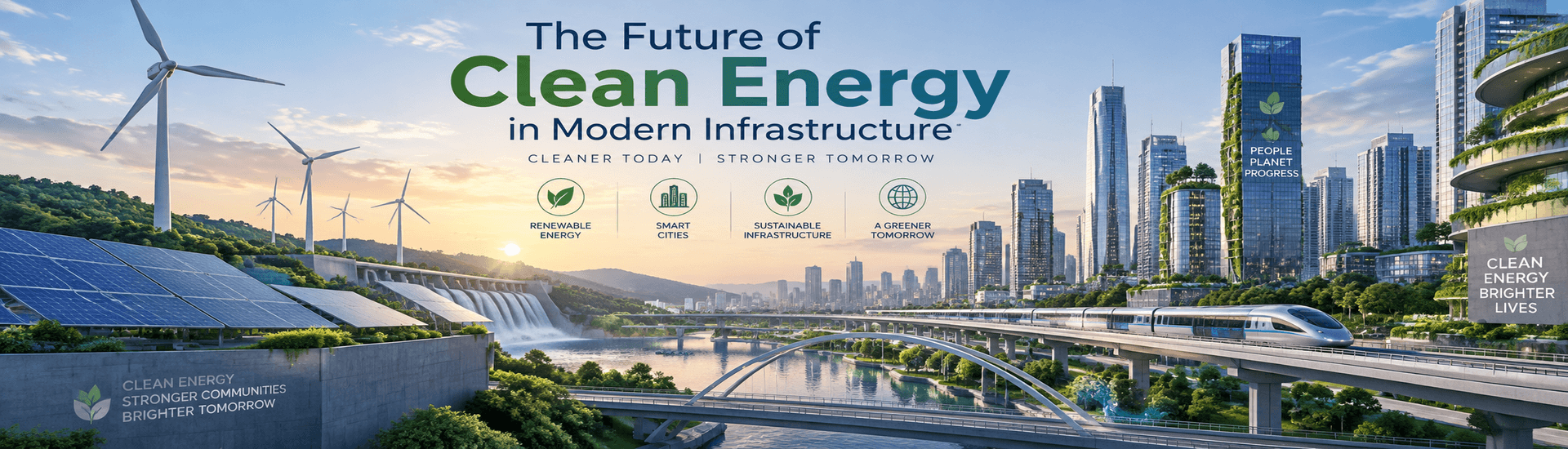
The Future of Clean Energy in Modern Infrastructure
Clean energy is no longer just an alternative — it is becoming the foundation of modern infrastructure. From solar-powered buildings to smart grids, industries are rapidly shifting toward sustainable solutions. This transition is not only driven by environmental concerns but also by long-term economic benefits and energy independence.
Why Renewable Energy Matters
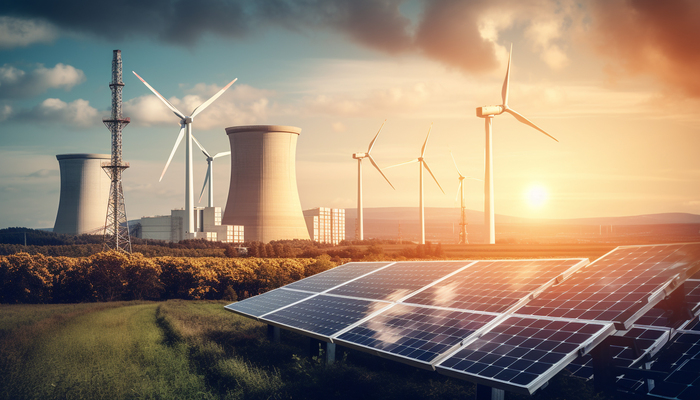
Renewable energy sources such as solar, wind, and hydro are transforming the way we consume power. Unlike fossil fuels, these sources are abundant and reduce greenhouse gas emissions significantly. Governments and corporations alike are investing heavily in renewable infrastructure to meet sustainability goals.
Reduces carbon footprint
Provides long-term cost savings
Promotes energy independence
Supports sustainable development
Challenges in Implementation
Despite its advantages, the adoption of clean energy comes with challenges. High initial investment costs, storage limitations, and inconsistent energy generation are some of the key obstacles. However, advancements in battery technology and grid management are gradually solving these issues.
The Rise of Smart Energy Systems
Modern infrastructure is increasingly powered by intelligent energy systems that optimize consumption and reduce waste. Smart grids, IoT-enabled monitoring, and automated distribution networks allow energy to be used more efficiently than ever before, making systems more reliable and cost-effective.
Why Businesses Are Adopting Clean Energy
Businesses are rapidly adopting renewable energy solutions to reduce operational costs and meet sustainability goals. Clean energy not only improves brand reputation but also protects companies from fluctuating fuel prices and future regulatory restrictions.
Challenges in Clean Energy Adoption
Despite its advantages, clean energy adoption comes with challenges such as high initial investment, energy storage limitations, and dependency on environmental conditions. However, continuous advancements in technology are helping to overcome these barriers gradually.
Impact on Urban Development
Cities are evolving into smart ecosystems where clean energy plays a central role. From solar-powered street lighting to energy-efficient buildings, urban areas are becoming more sustainable and self-reliant, reducing their overall environmental footprint.
The Road Ahead
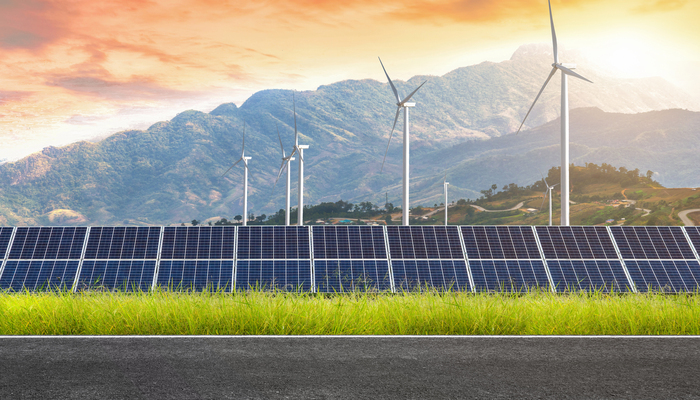
The future of clean energy looks promising, with innovation driving efficiency and accessibility. As technology improves and costs decrease, renewable energy will become the default choice for infrastructure development, shaping a cleaner and more sustainable world.
Real-World Applications
Across the globe, cities are adopting renewable energy solutions in transportation, housing, and industrial operations. Electric vehicles, solar-powered buildings, and energy-efficient data centers are just a few examples of how clean energy is being integrated into everyday life.